
Supervising Security Operations
This course is designed to equip security operatives, officers, and managers with the essential skills for conducting effective security operations.
- Course fee
- Contact us
- Duration
- 5 days
- Group rate
- Ask an advisor
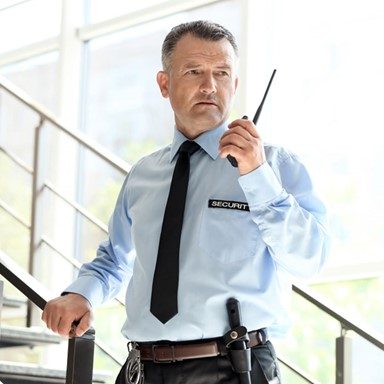
Course overview
This course is designed to equip security operatives, officers, and managers with the essential skills for conducting effective security operations. It covers a wide range of topics to help participants understand and apply the necessary skills required for day-to-day security duties. Participants will gain practical techniques and knowledge that can be immediately implemented in their workplace.
Training methodology
The course is highly interactive, incorporating group discussions, case studies, syndicate work, and practical exercises. These activities enable participants to apply the knowledge gained and demonstrate their skills in performing effective security operations.
Target competencies
- Conducting risk assessments
- Managing physical security
- Access control systems management
- Patrolling techniques
- Incident management
- Conflict resolution
- Security report writing
Course objectives
By the end of the course, participants will be able to:
- Demonstrate and explain the essential skills and duties of a confident security officer.
- Understand and explain the relevant legislation and laws that impact security operations.
- Emphasize the importance of emergency procedures in the workplace.
- List key safety principles, procedures, and policies required for a secure workplace.
- Apply effective communication, customer care, and negotiation skills.
- Use searching, patrolling, and scene preservation techniques.
- Describe the role of access and egress control in security operations.
Course outline
- Roles and responsibilities of a security officer
- Health and safety awareness
- Legal knowledge for security officers
- Emergency procedures and fire safety
- Security procedures and policy
- Crime prevention strategies
- Access and egress control
- Patrolling techniques
- Searching methods (vehicles, premises, persons)
- Surveillance tactics
- Ensuring safety for children, vulnerable individuals, and disabled people
- Awareness of drug-related issues
- Counter-terrorism measures
- Licensing regulations
- Scene preservation techniques
- Conducting risk and threat assessments
- Electronic and physical security systems
- Crowd management and control
- Communication skills in security operations
- Introduction to conflict management techniques
- Recognizing and managing emotional responses
- Preventing conflict situations
- Managing and resolving conflict situations
- Learning from conflict experiences
- Use of physical barriers, lighting, protection systems, and scanning equipment
- Medical considerations during security operations
- Legal aspects of self-defense and use of force
- Disengagement and escorting techniques
- Holding, positioning, and walk drills
- Physical defense skills
- Introduction to incident investigation
- Writing basic patrol reports
- Notebooks, logbooks, equipment registers, and record-keeping
Morning and evening classes are available. CompuBase Training Center, Abu Dhabi.

